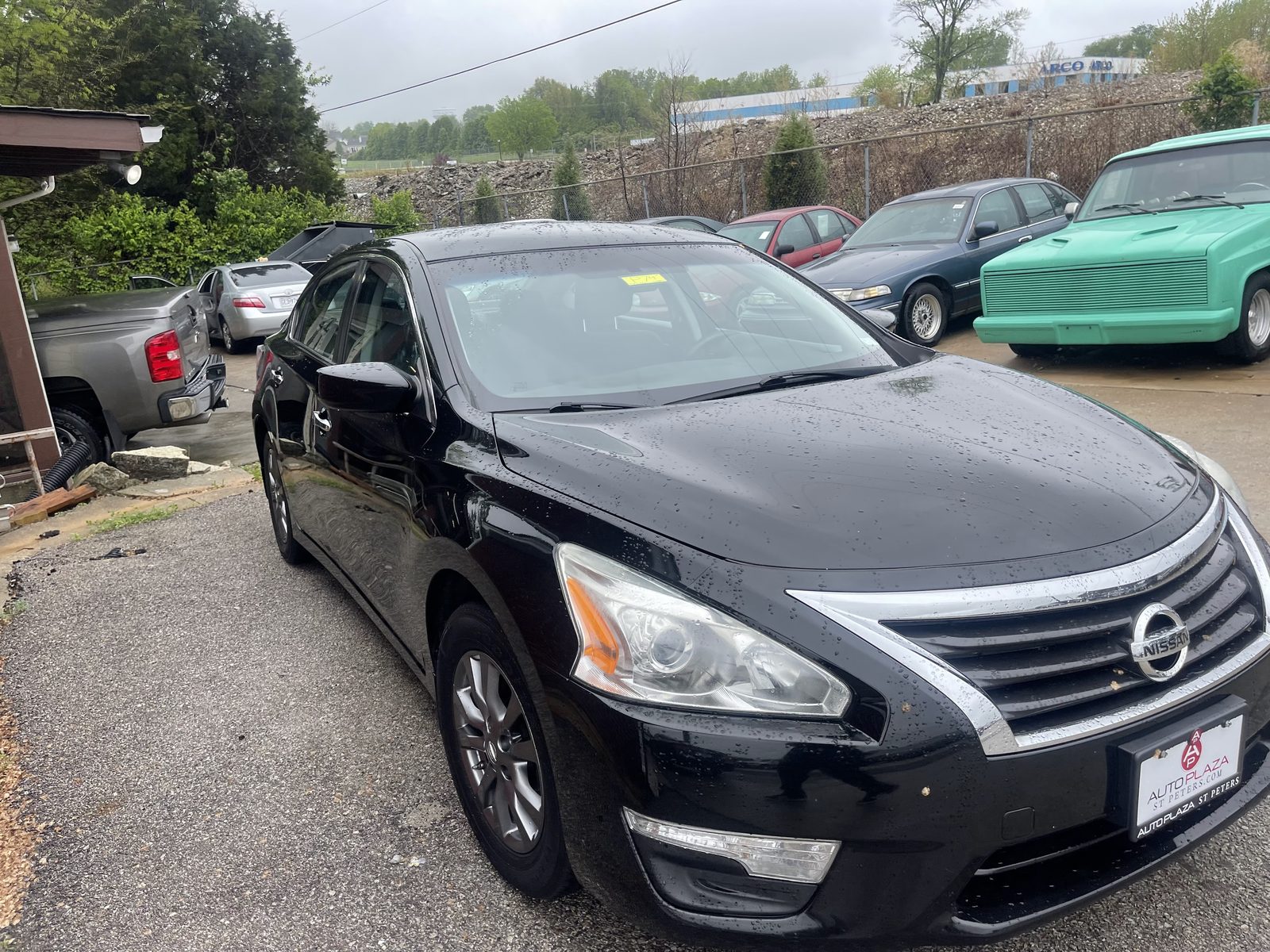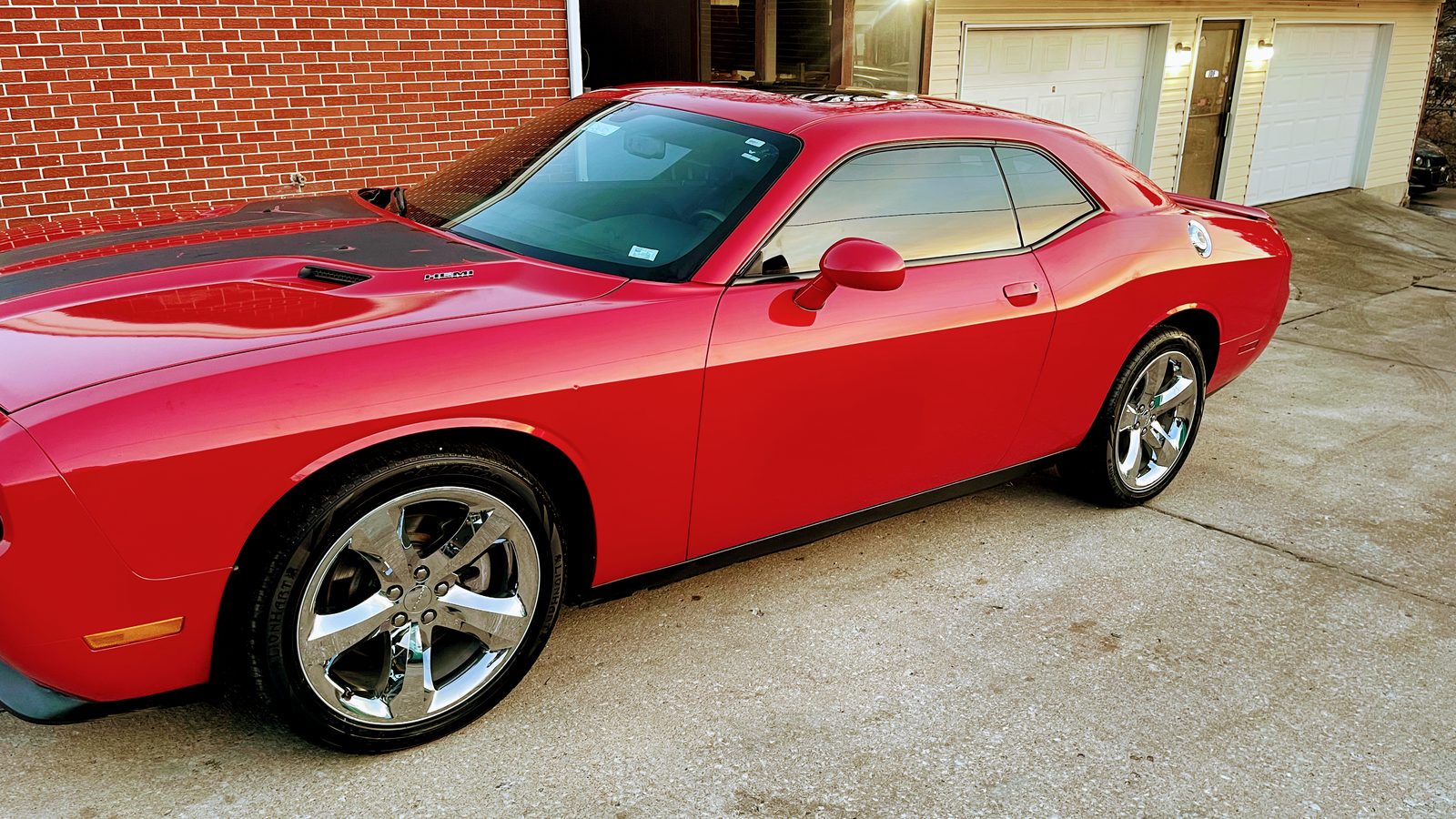
Most vehicles in St. Charles County carry a mix of road film, brake dust, tree sap, bug residue, and, in winter, salt brine. A drive-through wash knocks off the loose layer but leaves much of the bonded contamination behind, and spinning brushes can add the fine swirl marks that show up in direct sun. Exterior detailing is slower on purpose. Each step is chosen to remove dirt without grinding it into the clear coat.
A detail is a good fit before selling or trading in a car, after a long road trip, at the change of seasons, or when paint feels rough to the touch even right after a wash. It is also the right starting point before any paint correction or ceramic coating, because neither of those steps should go over a contaminated surface.
Owners of dark-colored vehicles tend to notice the difference first. Black and deep red paint show every water spot and wash mark, so the gentler process matters more. Lighter colors hide marks but still collect iron particles that appear as tiny orange specks on white and silver paint.
What the service generally includes
- Pre-rinse and foam. Loose grit is softened and rinsed away before anything touches the paint.
- Hand wash with separate mitts. Panels are washed by hand, keeping the dirtiest areas such as rocker panels away from the hood and roof.
- Wheels, tires, and wheel wells. Brake dust and road grime are cleaned from the faces and barrels of the wheels and the tire sidewalls.
- Decontamination. Iron fallout and bonded deposits are lifted so the paint feels smooth instead of gritty.
- Glass and trim. Windows, mirrors, and exterior plastic are cleaned and dressed without leaving residue on the paint.
- Protective finish. A sealant or wax layer adds gloss and helps water bead off between washes.
What changes the scope and time
Size and condition drive the time more than anything else. A compact sedan that is washed regularly needs far less work than a lifted truck that has spent a winter on salted roads. Heavy sap, tar, overspray, or bird etching can each add a separate step.
The finish you choose also matters. A basic sealant goes on quickly, while a longer-lasting protection layer needs a cleaner, smoother surface underneath. If the paint has visible swirls, ask whether a polish step belongs in the plan; that becomes paint correction rather than a straightforward exterior detail.
How to prepare
Remove loose items from the bed, roof rack, or exterior mounts and tell the detailer about any aftermarket wraps, decals, or touch-up paint so those areas are handled gently.
If the appointment is mobile, ask what access to water and power is needed, and park where there is room to walk all the way around the vehicle. Shade helps, because soap and water dry too fast on hot panels in July.
After the appointment
For the first week, avoid automatic brush washes and do not wipe the paint dry with a rough towel. A gentle rinse and a soft microfiber towel keep the new protection intact longer.