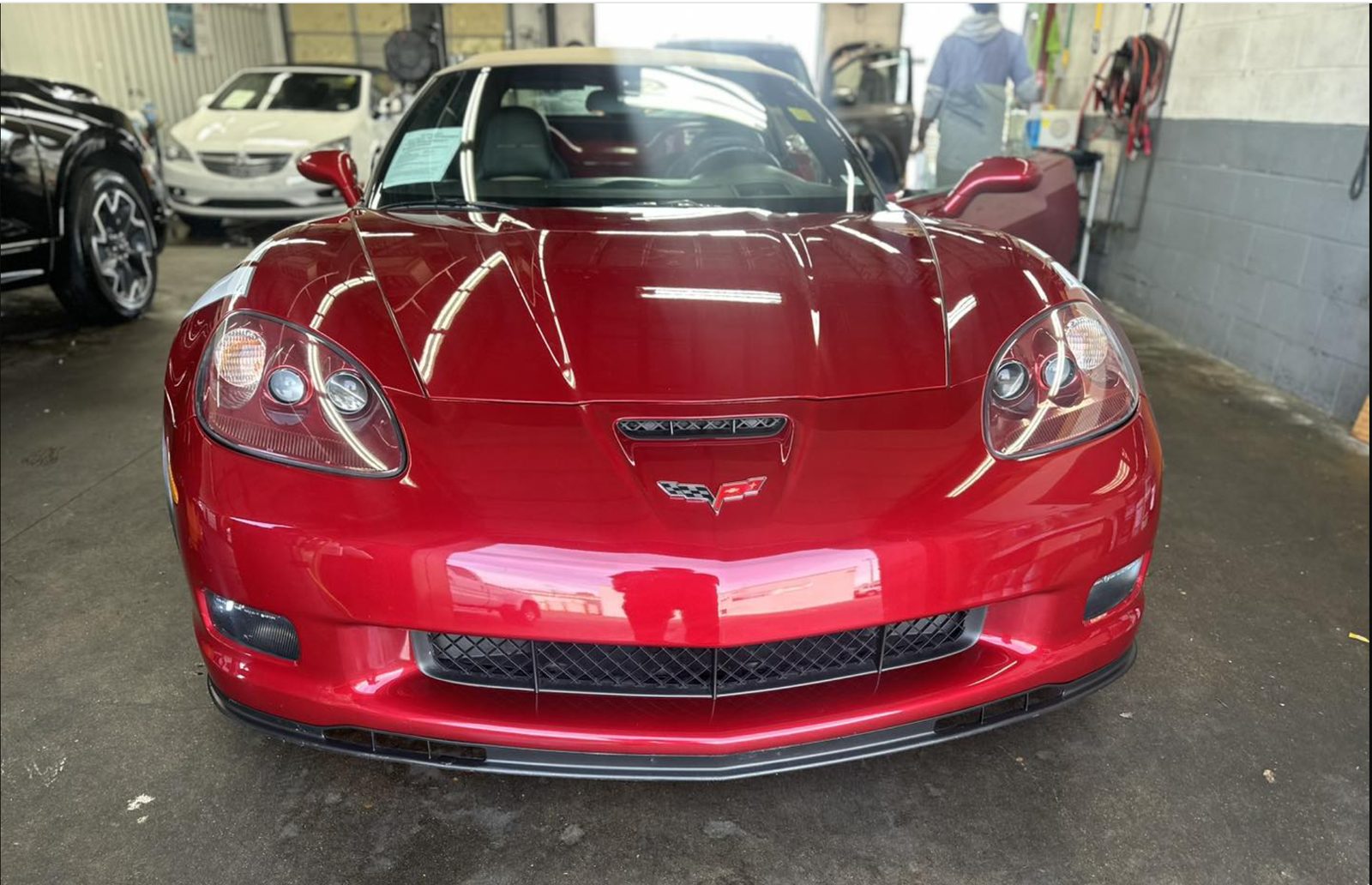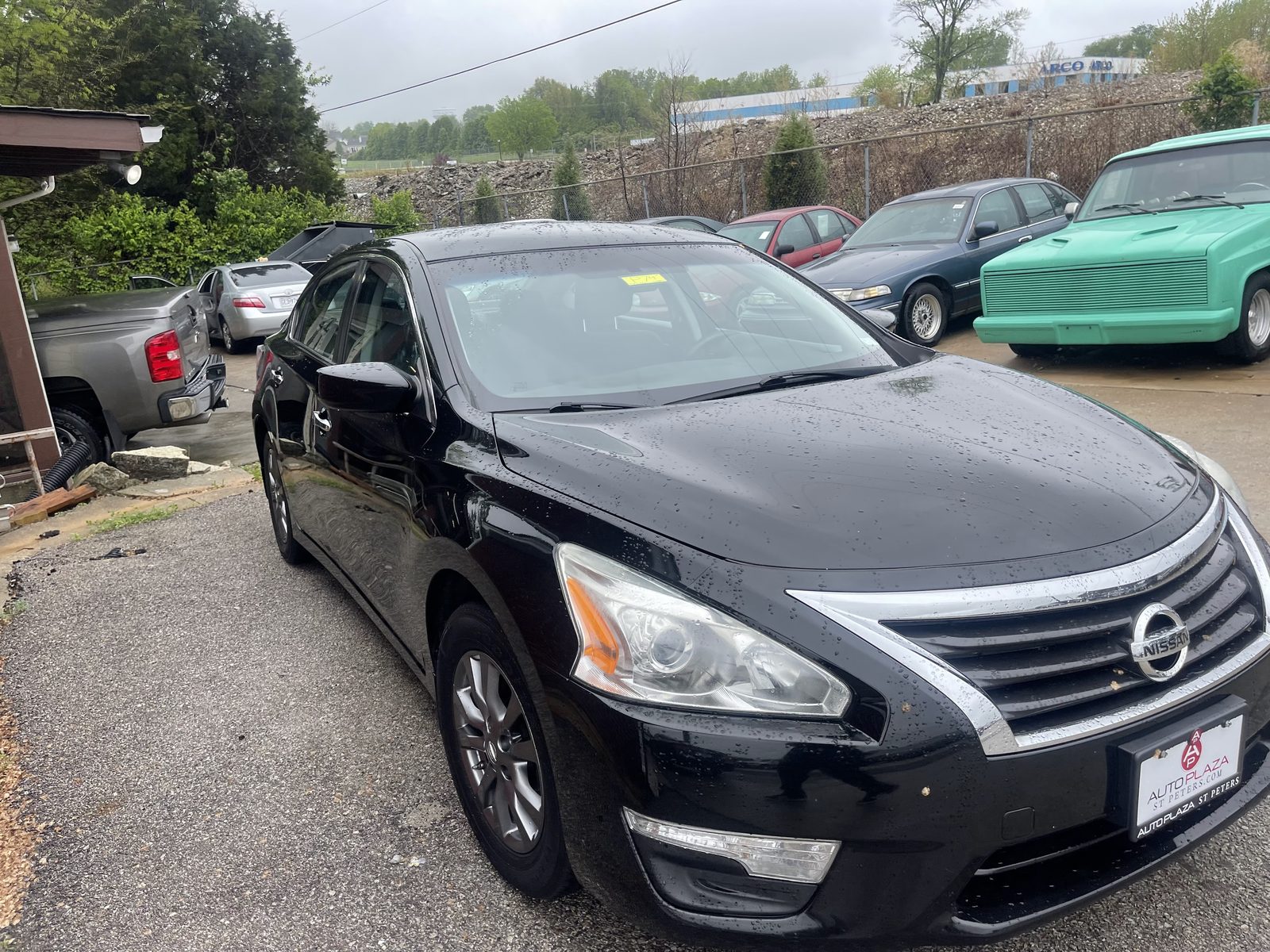
Ceramic coatings are made from silica-based compounds that bond to the clear coat and harden as they cure. The cured layer is slicker and more chemically resistant than wax, so water beads and sheets off, road film releases more easily, and bird droppings and bug residue are less likely to etch before you can wash them off.
Coatings suit drivers who want the car to stay glossy with less effort, owners of new vehicles who want to protect the factory finish, and anyone who has just paid for paint correction and wants to keep the result. They are less useful on a car that will be sold soon or on paint that is badly damaged, since a coating does not hide defects.
A coating is not armor. It does not stop rock chips, deep scratches, or door dings, and it still needs regular washing. What it changes is how easily the car comes clean and how well the paint resists the slow damage of sun, salt, and contamination.
What the service generally includes
- Thorough wash and decontamination. Every trace of wax, oil, and bonded grime is removed so the coating can bond to bare clear coat.
- Paint correction as needed. Swirls and haze are reduced first, because the coating seals in the finish underneath.
- Panel wipe. A prep solvent removes polishing oils that would block the bond.
- Coating application. The product is applied in small sections and leveled before it flashes.
- Inspection for high spots. Each panel is checked under light so no uneven residue is left to harden.
- Cure time. The coating needs time free of water and dust before the vehicle goes back into daily use.
What changes the scope and time
Preparation is most of the work. A new car with clean paint may need only light polishing, while an older car with heavy swirls needs a full correction first. That preparation, not the bottle of coating, is what usually decides the time and cost.
The product chosen and the surfaces included also matter. Some owners coat only the paint; others add wheels, glass, and exterior trim. Weather plays a role too, since coatings cure best in mild, dry conditions, which is worth considering for mobile appointments in cold or humid months.
How to prepare
Plan for the vehicle to stay dry for the period the detailer recommends after application, and avoid scheduling just before a long trip in the rain. Tell the detailer if the car has any wraps, paint protection film, or repaint.
If the appointment is mobile, ask whether a garage or covered space is needed for curing, since rain and blowing dust in the first hours can mark a fresh coating.
After the appointment
Wash coated paint by hand with a pH-neutral soap and soft towels. Skip harsh degreasers and brush washes, which can wear the coating down faster.