When snow or ice is on the way, road crews across the St. Louis region pre-treat highways and main roads with salt and brine. That treatment keeps traffic moving and saves lives, but it is hard on vehicles. Salt residue clings to paint, wheels, brakes, and the underside of the car, and it gets tracked into the cabin on every pair of boots. A winter routine built around rinsing and protection limits the damage and makes spring cleanup much easier.
Why salt matters
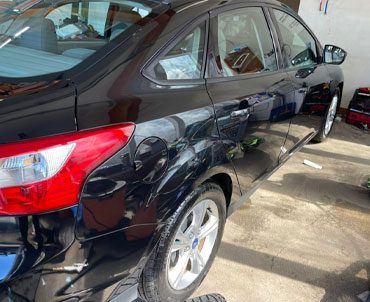
Salt itself does not eat paint instantly, but salt dissolved in water speeds up corrosion of exposed metal. Rock chips that reach bare steel, the edges of panels, brake lines, exhaust parts, and suspension hardware are the most vulnerable. Brine sprays are also designed to stick to the road surface, which means they stick to your car just as well. The white film you see on lower doors and rear bumpers after a cold week is mostly dried salt.
Before winter: protect
The best time to deal with salt is before it arrives. In late fall, schedule a thorough exterior detail that cleans and decontaminates the paint and adds a fresh protective layer. Protection makes it harder for salt and grime to bond and easier to rinse them off. Treat the wheels as well, since brake dust and salt together are especially stubborn. Touch up rock chips on the hood and lower panels so salt water cannot reach bare metal. Inside, swap in rubber or deep-channel floor mats that trap slush instead of letting it soak into carpet.
During winter: rinse
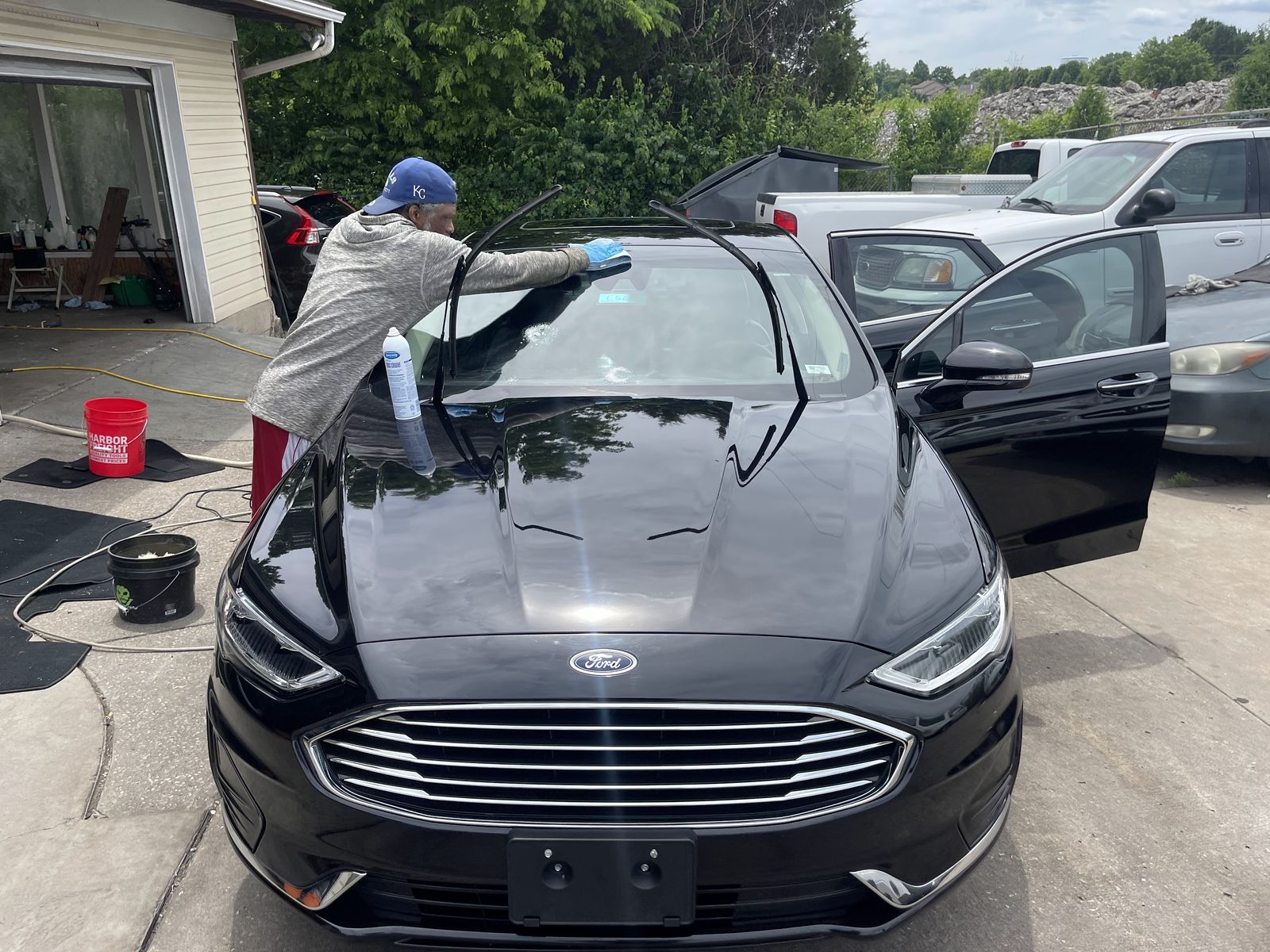
When temperatures allow, rinse the car after salty stretches of driving, paying attention to the lower panels, wheel wells, and underside. Many drivers use a touchless wash with an underbody rinse during cold snaps, which avoids brushes while still removing salt. Wait for a day above freezing when possible so water does not freeze in door seals and locks. Dry door jambs and seals afterward to keep doors from freezing shut. You do not need a perfect shine in January; you need the salt off.
Inside the cabin
Salt tracked in on shoes dissolves into the carpet, then dries into white stains and stiff fibers. Left all winter, it can be hard to remove completely. Knock snow off boots before getting in, shake out rubber mats regularly, and vacuum when you can. If salt stains appear on carpet, they respond best to proper extraction rather than scrubbing with household cleaners, which can leave residue that attracts more dirt.
Wheels and brakes
Wheels collect a mix of salt and brake dust that bakes on with heat. Polished, chrome, and bare aluminum wheels are especially prone to staining and pitting. Regular rinsing helps, and a wheel sealant or coating applied in the fall makes winter cleaning faster. If you have a set of dedicated winter wheels and tires, clean them thoroughly before storing them in spring.
After winter: reset
Once the salt trucks are parked for the season, book a full detail. A thorough hand wash, iron and fallout removal, wheel and wheel well cleaning, and fresh protection bring the exterior back. Inside, carpet and mat extraction removes salt deposits, and a full wipe-down clears the grime of a closed-up winter. This reset also gives you a clear look at any chips or rust spots that need attention from a body shop.
Signs salt has already done damage
Look for bubbling paint around wheel arches and the bottoms of doors, orange specks on light-colored paint, crusty white deposits in door jambs, and brown staining on carpets near the pedals. Small issues caught early are easier to address. Bubbling paint usually means corrosion underneath, which is a repair job rather than a detailing job.
A simple winter routine
Protect the paint and wheels in late fall. Rinse the car, especially underneath, after salty drives when temperatures allow. Keep rubber mats in and shake them out often. Dry door seals after washing. Then reset everything with a full detail in spring. That routine takes little time but adds years to how good a vehicle looks.
No Competition Auto Detailing in St Charles offers exterior and interior detailing and lists mobile service. See exterior detailing and interior detailing, or call (404) 259-3364 to plan a pre-winter or spring detail.