(404) 259-3364Mobile service · St Charles, MOMon-Tue 8 AM-7 PM; Wed-Fri 7 AM-7 PM; Sat 6 AM-6 PM; Sun closed
Service

Headlight Restoration

Headlight restoration removes the yellowing and haze that build up on plastic headlight lenses, then protects the lens so it stays clear longer. Clearer lenses improve the look of the car and help the light reach the road. Call (404) 259-3364 to schedule.

  • Mobile service available
  • Open Monday to Saturday
  • St Charles, MO
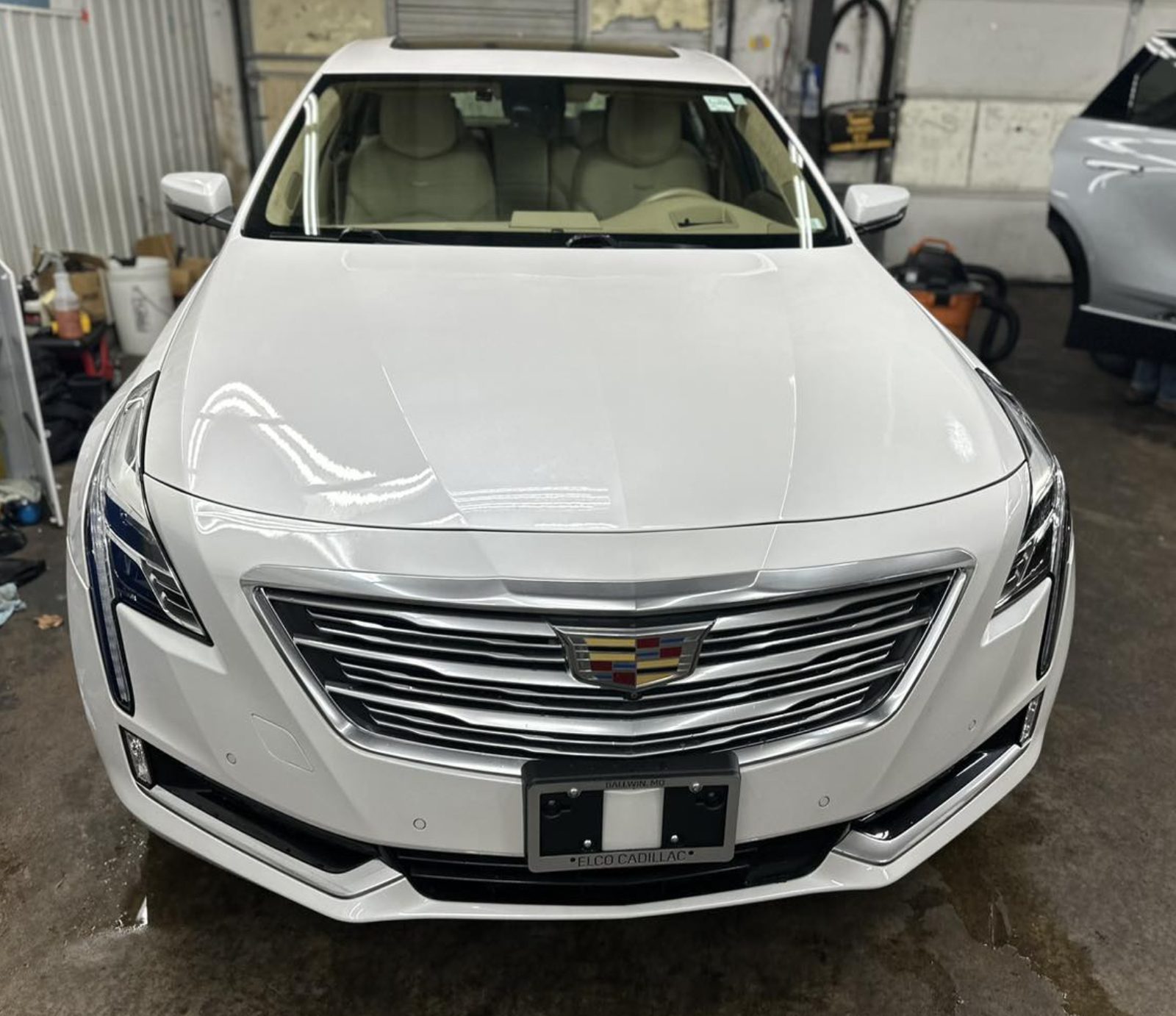
The front of a white Cadillac sedan with a chrome grille parked inside a garage
Headlight Restoration

Headlight restoration for yellowed, hazy lenses

Headlight restoration appears both on the business's earlier website and in the owner description on its Google listing. The archived copy described technicians removing the haze and yellowing that develop on headlights, improving visibility and the look of the vehicle. This page explains why lenses fade and how restoration works.

Modern headlight lenses are made of polycarbonate plastic, which is light and impact resistant but breaks down under ultraviolet light. The factory applies a hard protective layer, and once that layer wears through, the plastic oxidizes. The result is a cloudy, yellow, or chalky lens that blocks and scatters light.

Faded lenses are more than cosmetic. A hazy lens can noticeably dim the beam on the road and make an otherwise clean vehicle look old. Drivers often notice the problem first on dark rural roads or when another car's headlights look much brighter than their own.

Restoration is a good fit when the haze is on the outside surface of the lens. If moisture is trapped inside the housing, if the lens is cracked, or if the reflector behind it has burned or peeled, restoration will not fix the problem and a replacement headlight may be needed.

What the service generally includes

  • Inspection. The lens is checked for cracks, inside fogging, and the depth of the oxidation.
  • Masking. Surrounding paint and trim are taped off to protect them during sanding.
  • Wet sanding. Progressively finer abrasives remove the damaged, yellowed layer of plastic.
  • Polishing. The lens is polished back to optical clarity.
  • UV protection. A protective coating is applied so the bare plastic does not oxidize again quickly.
  • Final check. Both lenses are compared so they match in clarity and appearance.

What changes the scope and time

The depth of the damage sets the work. Light haze polishes off in fewer steps; heavy yellowing with a peeling factory coating needs more sanding. Lens size and shape, including fog lights or tail lights you want included, add time.

The protection applied at the end matters most for how long the result lasts. Bare polished plastic yellows again fast in sunlight, so ask what protective layer is used and how to care for it.

How to prepare

Park so both headlights are easy to reach and tell the detailer if either lens has been replaced, since a new lens and an old one can look different side by side. Mention any condensation you have seen inside the housing.

If the appointment is mobile, a shaded spot helps the protective coating cure evenly.

After the appointment

Wash the lenses gently and avoid harsh chemicals on them. Parking in a garage or shade slows the return of oxidation.
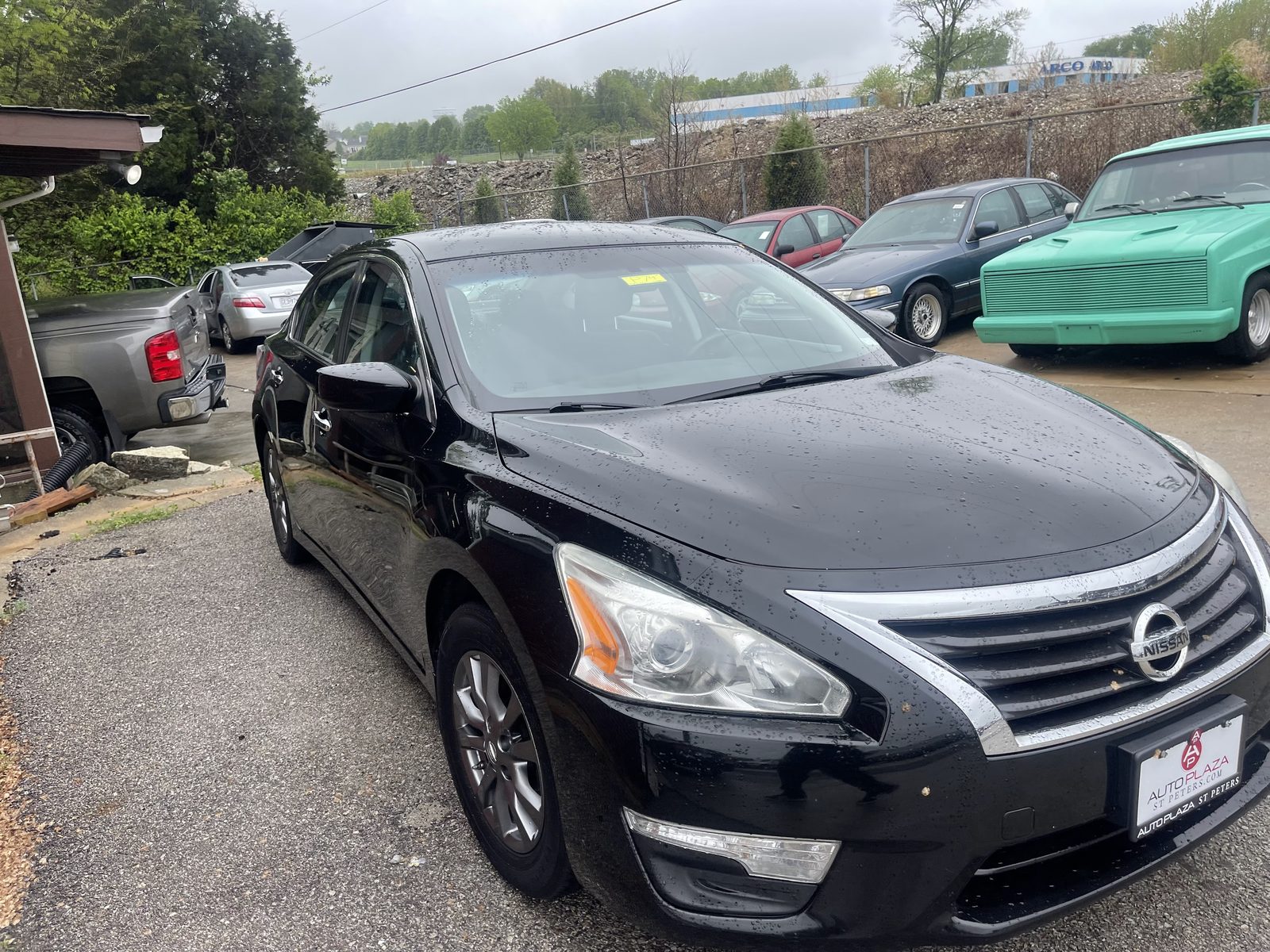
A black Nissan Altima sedan parked in a gravel lot among other vehicles under an overcast sky
A black Nissan Altima in a gravel lot, its paint reflecting the overcast sky.
Good to know

When restoration is not the answer

Restoration fixes the outside of the lens. Haze on the inside, water droplets in the housing, a cracked lens, or a faded reflector all need a different solution, usually a new headlight assembly from a parts supplier or a repair shop. A quick look before the work starts sorts out which situation you have.

If your vehicle failed a light check or you are worried about night visibility, also have bulb condition and headlight aim checked. A clear lens cannot make up for a dim bulb or a beam pointed at the ditch.

Common questions

Questions about headlight restoration

Why do headlights turn yellow?

Sunlight breaks down the plastic once the factory protective layer wears off, leaving an oxidized, cloudy surface.

Will restored headlights yellow again?

Over time they can, especially if left in strong sun. A good UV protective layer and shade parking slow it down considerably.

Can you fix moisture inside the headlight?

Restoration works on the outside surface. Moisture inside the housing usually points to a failed seal or crack, which needs a repair or replacement.

Do you restore fog lights and tail lights too?

Ask when you call. Other plastic lenses can often be treated the same way.

Ready for a cleaner, glossier vehicle?

Call or text No Competition Auto Detailing to describe your vehicle, ask about mobile service, and get a current quote.

Call (404) 259-3364
Call (404) 259-3364